
 020 3744 3778
Create a Reflective Zen Retreat in Your Outdoor Space
Posted on 19/09/2025
Create a Reflective Zen Retreat in Your Outdoor Space
In today's fast-paced world, having a reflective Zen retreat in your own backyard offers a haven of tranquility and mindfulness. Whether you have a spacious garden or a small patio, transforming your outdoor space into a Zen-inspired sanctuary can nurture your well-being, sharpen mindfulness, and provide a revitalizing escape from daily stress. In this comprehensive guide, learn how to craft a relaxing Zen retreat outdoors -- a haven for meditation, relaxation, and rejuvenation.

Why Create a Zen Retreat in Your Outdoor Space?
The principles of Zen emphasize simplicity, serenity, and a deep connection with nature. By designing a Zen-inspired outdoor oasis, you create a place where you can reflect, practice mindfulness, and unwind among calming natural elements.
- Encourages Mindful Living: Spending time in a Zen space fosters mindfulness and self-awareness.
- Reduces Stress: Natural elements and minimalistic design ease anxiety and promote peace.
- Increases Outdoor Enjoyment: Connecting with nature enhances mood and physical well-being.
- Versatile Spaces: Even a balcony or corner patio can become a Zen retreat.
Key Elements of a Reflective Zen Retreat
Before diving into the design, it's essential to understand the foundational elements of a reflective Zen retreat in your garden or outdoor area. These aspects combine traditional Japanese garden design with meditative principles.
- Simplicity: Minimalism is the heart of Zen design. Select fewer elements, arranged with purpose and intention.
- Natural Materials: Emphasize wood, stone, pebbles, gravel, and bamboo for an earthy vibe.
- Water features: The soothing sound of water enhances the meditative atmosphere.
- Balance: Strive for harmony between all elements -- plants, stones, water, and empty space.
- Paths and Patterns: Use stepping stones, gravel raking, and planned walkways for visual interest and reflection.
- Enclosure and Privacy: Fences, screens, or hedges to cultivate seclusion and prevent distractions.
- Seating and Reflection Areas: Comfortable, minimalist seating encourages contemplation.
Planning Your Zen Retreat Outdoors
1. Evaluate Your Space
Begin by assessing the size, shape, sunlight, and privacy of your existing outdoor area. Even if you have only a small courtyard or terrace, you can incorporate Zen elements on any scale. Sketch a layout, noting:
- Available square footage
- Current vegetation or features you want to keep
- Sun and shade patterns
- Existing structures (sheds, fences, walls)
2. Define the Purpose of Your Outdoor Zen Retreat
How do you intend to use your Zen space? You might want a serene spot for:
- Sitting meditation
- Yoga practice
- Reading or journaling
- Mindful walking or contemplation
Clarifying your goals will determine the layout and design features in your reflective retreat.
3. Selecting a Location
Ideally, your Zen retreat in your backyard should be tucked away from busy roads and neighbors, maximizing peace and privacy. Choose a zone that feels naturally calm, perhaps near trees, against a wall, or sheltered by shrubbery. For balconies or rooftop gardens, use screens, trellises, or tall planters to foster separation from the urban bustle.
Designing Your Reflective Zen Outdoor Retreat
Choosing Natural Materials
The aesthetic of Japanese Zen gardens revolves around organic materials. Utilize:
- Stones: Large weathered rocks symbolize permanence; smooth pebbles, balance and calm.
- Gravel or Sand: Raked into ripples to evoke water, and used for contemplative activities.
- Wood: Benches, decks, platforms, or stepping paths crafted from cedar, teak, or bamboo.
- Bamboo: Ideal for fencing, screening, or decorative focal points.
Layering Plants for Serenity
Greenery softens hardscape and connects your Zen retreat to nature. Select low-maintenance, subtle plantings:
- Bamboo: For privacy and symbolism (strength & flexibility).
- Moss: For its lush carpet effect and calm color.
- Ferns and Hostas: Shade lovers with graceful, arching shapes.
- Japanese Maples or Cherry Blossoms: For seasonal beauty and a traditional touch.
- Evergreens: Such as pine, yew, or juniper -- add year-round color and shape.
Avoid overly bright flowers or ornate plantings to maintain tranquility and focus.
Creating Water Features
Water is a powerful symbol in Zen gardens and supports deep reflection:
- Install a small pond with stepping stones or a simple bridge.
- Add a stone basin (tsukubai) or a bamboo water fountain for gentle sounds.
If adding real water isn't possible, mimic the appearance of streams with raked gravel or stone channels.
Incorporating Stones and Gravel
Stones are the backbone of Zen garden design. Use them to form boundaries, islands, or as sculptural pieces:
- Place three stones to form a natural triangle -- a classic Zen formation.
- Raked gravel or sand symbolizes water and invites introspective activity.
- Scattered pebbles around plantings create pleasing contrasts and visual interest.
Setting Up Paths, Walkways, and Boundaries
Paths invite mindful walking and contemplation. For your Zen retreat:
- Stepping Stones: Lead visitors deliberately through the space, slowing their pace and encouraging awareness.
- Gravel Paths: Their subtle crunch underfoot adds a sensory dimension.
- Borders: Use stones, moss, or ground cover to define different "rooms" within the garden.
Inviting Seating and Meditation Areas
Every reflective Zen outdoor retreat should have at least one area for stillness:
- Simple Wooden Benches: Blend seamlessly with the landscape.
- Flat Rocks or Platforms: Offer grounding spots for meditation or yoga.
- Cushions or Tatami Mats: For a more authentic Japanese experience, use natural-fiber mats on a sheltered deck.
Personalizing Your Zen Retreat
Minimalist Decor and Symbolic Accents
While Zen outdoor sanctuaries avoid clutter, selective decor can enhance ambiance and meaning:
- Lanterns: Stone or metal add soft light and a sense of peace.
- Buddha Statues or Statuary: Symbolize mindfulness and compassion.
- Wind Chimes: Provide gentle auditory cues for presence.
- Prayer Flags or Scrolls: Add a subtle personal touch.
Incorporate Scent and Sound
- Choose fragrant plants such as lavender, jasmine, or pine to stimulate the senses.
- Add bamboo water fountains or soft wind chimes to create a symphony of tranquil sounds.
Lighting Your Zen Oasis
Lighting should be minimal, soft, and warm:
- Solar lanterns or LED candles: Offer safe, sustainable lighting.
- Pathway lights: Define walkways without overpowering the natural ambiance.
- String lights: Subtly illuminate meditation areas for evening relaxation.
Maintaining Your Reflective Zen Retreat
Regular Care and Mindfulness
Sustaining the peaceful Zen retreat in your backyard requires mindful, ongoing attention:
- Rake gravel regularly to create fresh ripples and erase footprints.
- Prune plants and trees for tidy, natural shapes maintaining simplicity.
- Clean water features and maintain pumps.
- Remove debris to preserve tranquility and clarity.
Seasonal Adaptations
Embrace the cycles of nature in your Zen sanctuary:
- Spring: Refresh plantings, add moss for new color, prune winter growth.
- Summer: Ensure adequate watering and mulching; seek shade solutions.
- Autumn: Enjoy changing leaf colors; tidy fallen leaves mindfully.
- Winter: Use evergreens for structure; consider candles or outdoor fire bowls for warmth and light.
Meditation Practices for Your Zen Outdoor Space
Mindful Sitting and Walking
The best use of your reflective Zen garden retreat is as a setting for meditation and self-reflection:
- Sitting Meditation: Sit on a bench, mat, or rock, close your eyes, breathe deeply, and immerse your senses in the sounds, scents, and sights around you.
- Walking Meditation: Slowly walk along paths, staying present with each step, the feel of the ground, and the ambiance of your garden. Raking gravel can also be a mindful practice.
- Yoga and Movement: Practice gentle yoga, stretching, or tai chi amidst the beauty and calm of your Zen oasis.
- Journaling or Quiet Reflection: Use your seating area for journaling thoughts, dreams, or insights.
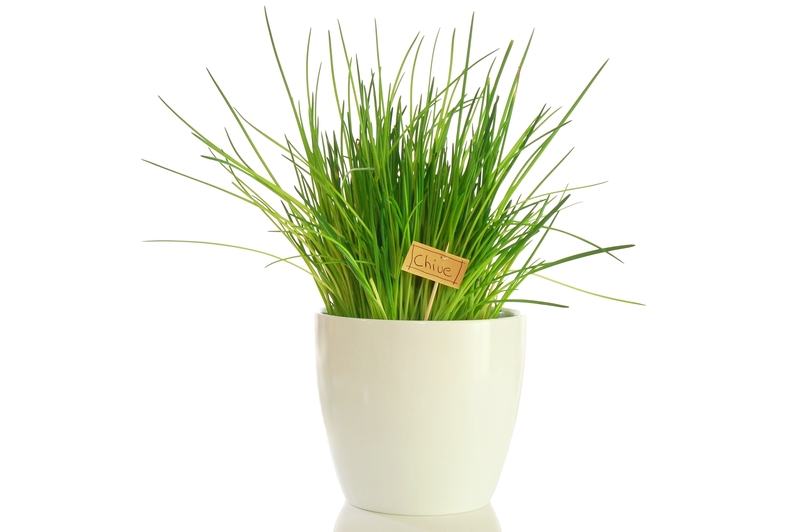
Tips for Creating a Zen Retreat in Small Spaces
- Vertical Gardens: Use walls or trellises for bamboo, moss, or ferns.
- Container Planting: Place low, simple planters for instant serenity.
- Mini Zen Gardens: Tabletop sand trays with stones for relaxation and decor.
- Foldable Seating: Use lightweight mats or portable benches.
Conclusion: Your Path to a Reflective Zen Outdoor Retreat
Crafting a reflective Zen retreat in your outdoor space is more than just landscape design--it's about creating a sanctuary where simplicity, nature, and mindfulness support physical and mental balance. Whether you're meditating, reading, practicing yoga, or simply enjoying a cup of tea surrounded by greenery and gentle sounds, your Zen garden will become a wellspring of peace in a busy world.
Start with one or two elements, let your space evolve naturally, and most importantly, savor the mindful process. With thoughtful planning and minimal investment, your outdoor Zen retreat can be a lifelong refuge for reflection, renewal, and serenity.
- Reconnect with nature and yourself with a calming garden sanctuary.
- Focus on simplicity, balance, and natural beauty in every design choice.
- Enjoy daily moments of peace, mindfulness, and reflection in your personal outdoor Zen retreat.
Latest Posts
Taking the First Steps in Your Garden's Makeover
Strong Gardens: Techniques to Withstand Harsh Weather
Design an Elegant Garden Escape with Inspired Seating Solutions