Landscape Gardening in Poplar: Creating Beautiful Outdoor Spaces That Work for Urban Homes
Why Landscape Gardening in Poplar Matters

Landscape gardening in Poplar is about more than adding plants to an outdoor space. It is a practical way to improve curb appeal, increase comfort, and make a property feel more connected to nature. In a busy East London setting, gardens often need to do several jobs at once: provide privacy, soften hard edges, support wildlife, and create a relaxing place for people to enjoy every day.
For many homeowners, landscape gardening in Poplar starts with making the most of limited outdoor space. Terraces, town gardens, roof spaces, and compact back gardens all benefit from thoughtful planning. With the right layout, planting scheme, and materials, even a small area can feel open, elegant, and easy to maintain.
Poplar also presents specific local conditions that shape garden design. Urban exposure, shaded plots, compact soil, and wind corridors can affect plant choice and overall performance. That is why successful Poplar landscape gardening depends on both creativity and practical know-how. A well-designed garden should look good throughout the seasons while standing up to everyday use.
Understanding the Local Character of Poplar Gardens
Urban space, light, and layout challenges
Many properties in Poplar are surrounded by buildings, roads, or shared boundaries, which means sunlight can be limited at certain times of the day. This creates both a challenge and an opportunity. Shade-tolerant planting, reflective surfaces, and layered design can help brighten darker corners and bring a sense of depth to the garden.
Another common feature of landscape gardening in Poplar is the need to use space wisely. Narrow plots may require a multi-functional design with seating, planting, storage, and circulation all built into the same area. By choosing streamlined features and keeping the layout simple, the garden can feel larger and more welcoming.
Poplar garden design also benefits from hard landscaping that complements the architecture. Brick, timber, metal, paving, and gravel can all be used to create structure and improve usability. When these elements are balanced with soft planting, the result is an outdoor space that feels polished rather than crowded.
What makes a Poplar garden successful?
- A clear layout with defined zones
- Planting suited to sun, shade, and wind
- Materials that match the home’s style
- Low-maintenance choices where needed
- Year-round visual interest
Planning Landscape Gardening in Poplar from the Ground Up
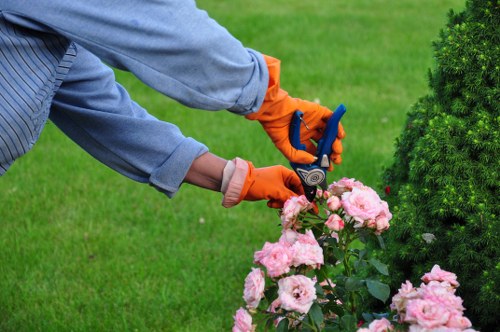
Good garden design begins with a clear plan. Before any planting or construction starts, it is important to assess the site carefully. This includes measuring the space, noting where the sun falls, identifying drainage issues, and deciding how the garden will be used. A family garden, a peaceful retreat, and a sociable entertaining space all require different approaches.
Landscape gardening in Poplar should also reflect the lifestyle of the people who use it. Some homeowners want a calm setting with soft textures, seasonal colour, and natural screening. Others prefer a modern outdoor room with neat edges, minimal maintenance, and strong visual structure. The best results come from matching the design to both the property and the people living there.
At this stage, it helps to think about long-term performance too. Choosing plants and materials that suit the location can save time and money later. In urban gardens, resilience is valuable. Plants should cope with variable light, occasional pollution, and changes in moisture, while surfaces should remain safe, attractive, and durable.
Key planning questions to consider
- How will the garden be used day to day?
- Which areas receive the most sun and shade?
- Is privacy important from neighbouring properties?
- Do you want a low-maintenance or more decorative finish?
- Should the design support children, pets, or entertaining?
Hard Landscaping Features That Shape the Space
Paths, patios, walls, and raised beds
Hard landscaping forms the backbone of many successful outdoor spaces. In landscape gardening in Poplar, features such as patios, paths, retaining walls, steps, and raised planters create order and improve the way the garden functions. These elements also help define separate zones, which is especially useful in smaller spaces.
A patio can act as an outdoor dining area or a place to sit and relax. Paths help connect different parts of the garden, while edging and walls add definition. Raised beds are particularly useful in urban settings because they improve drainage, make planting easier, and add height to a flat layout. They also create a stronger sense of design intent.
Material selection is important for both style and practicality. Porcelain paving offers a clean, modern look with easy maintenance, while natural stone brings warmth and texture. Timber features can soften harder surfaces, and gravel can introduce movement, drainage, and a more informal feel. The right combination depends on the atmosphere you want to create.
Popular hard landscaping choices in Poplar
- Porcelain or sandstone patios
- Decorative gravel seating areas
- Sleepers or brick raised beds
- Stepping-stone paths
- Boundary walls and fencing
Planting Ideas for Poplar Gardens

Planting is where a garden begins to feel alive. In Poplar, the best planting schemes are those that suit the site and add interest across the year. Because urban gardens often face mixed conditions, choosing the right species is just as important as arranging them attractively. A thoughtful planting plan can bring softness, movement, colour, and habitat value to even the most compact outdoor space.
For shaded areas, ferns, hostas, hellebores, ivy, and astrantia can perform well, while sunlit spaces may suit lavender, salvia, ornamental grasses, and flowering shrubs. Trees can also play a valuable role in landscape gardening in Poplar, offering structure, privacy, and vertical interest. Small ornamental trees such as multi-stemmed varieties can work beautifully in narrow plots.
Layering is often the secret to a successful planting design. By combining ground cover, perennial plants, shrubs, and smaller trees, a garden gains depth and texture. This approach creates a richer look and can reduce the amount of bare soil, helping the garden feel more established and easier to care for over time.
Seasonal planting benefits
- Spring: Fresh colour and new growth
- Summer: Dense foliage and bright blooms
- Autumn: Warm tones and seed heads
- Winter: Structure, evergreen interest, and bark texture
Low-Maintenance Landscape Gardening in Poplar
Smart choices for busy homeowners
Many people looking into landscape gardening in Poplar want a garden that looks good without demanding constant attention. Low-maintenance design does not have to feel plain or uninspiring. In fact, it often leads to cleaner lines, better structure, and more intentional planting choices.
One of the easiest ways to reduce upkeep is to limit the amount of high-maintenance lawn or planting that needs frequent pruning. Replacing part of a lawn with paved areas, gravel, or planted borders can reduce mowing and watering. Choosing evergreen plants, slow-growing shrubs, and hardy perennials can also simplify care while preserving visual appeal.
Another important factor is irrigation and drainage. Well-prepared beds, mulched surfaces, and suitable soil improvement can help plants establish more successfully. In a city environment like Poplar, it is often worth investing in practical systems that support healthy growth, especially where time for regular maintenance is limited.
Low-maintenance features worth considering
- Evergreen hedging for year-round privacy
- Perennials that return each year
- Mulch to suppress weeds and retain moisture
- Automatic irrigation for planting beds
- Hard surfaces that are easy to clean
Creating Privacy and Shelter in an Urban Setting

Privacy is one of the most common goals in landscape gardening in Poplar. With nearby homes, passing foot traffic, and overlooked gardens, many residents want a space that feels calm and enclosed. Careful use of screening can make a huge difference to how comfortable a garden feels.
There are many ways to create privacy without making the garden feel closed in. Fencing can provide a strong boundary, while trellis panels with climbing plants add softness and height. Trees, tall shrubs, and layered planting can also break up sightlines naturally. If the garden is small, a combination of light screening and vertical planting often works best.
Shelter matters too. Wind can make a space less enjoyable, especially on exposed terraces or roof gardens. Dense planting, pergolas, and well-placed structures can reduce the effect of wind while adding character. In this way, landscape gardening in Poplar becomes about shaping atmosphere as much as appearance.
Screening solutions that work well
- Closeboard or slatted fencing
- Climbing plants on trellis frames
- Evergreen shrubs for continuous cover
- Pergolas with overhead planting
- Decorative panels for selective screening
Using Lighting to Extend Garden Enjoyment
Outdoor lighting for safety and atmosphere
Lighting is often overlooked, but it can completely change how a garden feels after dark. In landscape gardening in Poplar, outdoor lighting can highlight planting, improve safety on paths and steps, and make the space more usable in the evening. It also adds a sense of warmth and sophistication.
Different lighting effects serve different purposes. Soft ambient lights create mood, while focused lighting improves visibility around entrances or walkways. Uplighting can showcase trees or walls, and low-level step lighting helps prevent accidents. When planned well, lighting makes the garden feel larger and more inviting.
For urban gardens, subtle lighting is usually best. Strong or overly bright lights can feel harsh, while layered lighting creates a more relaxed atmosphere. Energy-efficient LED fixtures are a smart choice, offering durability and lower running costs. They also suit the modern needs of homeowners who want a stylish but practical garden.
Why Sustainable Landscape Gardening in Poplar Is Growing in Popularity

Sustainability is becoming a major part of landscape gardening in Poplar, and for good reason. More homeowners want gardens that support biodiversity, use resources wisely, and remain resilient over time. Sustainable design is not just about protecting the environment; it also improves the quality and durability of the garden itself.
There are many ways to make a garden more sustainable. Rainwater harvesting, permeable paving, composting, native planting, and wildlife-friendly features all contribute to a healthier outdoor space. Choosing plants that suit the local conditions also reduces the need for excessive watering or feeding. In a city setting, these choices can make a noticeable difference.
Wildlife-friendly landscape gardening in Poplar may include bird feeders, insect-friendly flowers, mixed hedging, and pond features where space allows. These additions help create balance and bring more life into the garden. They also make outdoor spaces more enjoyable by creating movement, sound, and seasonal activity.
Sustainable design ideas
- Use drought-tolerant planting where suitable
- Install permeable paving for better water management
- Reuse existing materials when possible
- Choose peat-free compost and mulch
- Plant for pollinators and wildlife
Maximising Small Gardens in Poplar
Design tricks that make compact spaces feel bigger
Small garden design is one of the most rewarding parts of landscape gardening in Poplar. Limited space often encourages smart, elegant solutions that make the most of every square metre. With the right approach, a small garden can feel spacious, calm, and beautifully balanced.
One useful technique is to keep the layout simple. Too many features can make a compact garden feel cramped. Instead, use clean lines, repeated materials, and a clear focal point. Vertical planting, mirrors, trellises, and climbing plants can also draw the eye upward, creating the impression of more space.
Furniture selection matters as well. Slimline seating, foldaway pieces, and built-in benches are ideal for smaller outdoor spaces. If the garden needs storage, consider features that combine function and style, such as seating with hidden compartments or raised beds that also help define boundaries. These choices support a practical and attractive Poplar garden design.
Ways to make a small garden feel larger
- Use fewer materials for a cleaner look
- Repeat colours and textures
- Add vertical planting and trellis work
- Keep pathways simple and direct
- Include a focal point such as a tree or feature pot
The Role of Professional Design and Installation
While some garden projects can be handled independently, many homeowners prefer professional support for landscape gardening in Poplar. A skilled designer or installer can help turn ideas into a realistic plan and ensure that the finished result is attractive, durable, and suited to the property. This is especially helpful where access is tight, ground levels need adjustment, or the design includes multiple features.
Professional input can also help avoid common mistakes. Poor drainage, unsuitable materials, overcrowded planting, and weak layout decisions can all lead to frustration later. Working with experienced specialists means these details are addressed early, saving both time and stress. It also allows the project to move forward with a clear sequence and a better chance of long-term success.
For many clients, the value lies in seeing the whole picture come together. Landscape gardening in Poplar involves much more than individual features; it requires a coherent design language that brings planting, structure, and usability together. When everything works in harmony, the garden becomes a natural extension of the home.
Seasonal Care and Long-Term Success
Keeping a Poplar garden looking its best
Even the best-designed outdoor spaces need regular care. Seasonal maintenance helps preserve the appearance and health of landscape gardening in Poplar. Tasks such as pruning, weeding, feeding, and checking drainage should be carried out at the right time of year to support long-term performance.
Spring is often the best time to assess winter damage, refresh mulch, and prepare beds for new growth. Summer may require watering and light trimming, while autumn is useful for leaf clearance and planting hardy additions. In winter, gardeners can focus on structure, protection, and planning improvements for the year ahead.
Long-term success also depends on observation. Plants may change as they mature, and light levels can shift over time due to nearby development or tree growth. Being willing to adapt ensures the garden remains functional and attractive. Good landscape gardening in Poplar is never static; it evolves with the property and the people who use it.
Seasonal maintenance checklist
- Inspect paving, decking, and fences for wear
- Trim hedges and shrubs to maintain shape
- Refresh mulch and soil conditioners
- Check irrigation and drainage performance
- Remove weeds before they spread
Bringing Your Outdoor Vision to Life in Poplar
Whether the goal is a family-friendly space, a modern urban retreat, or a stylish front garden, landscape gardening in Poplar offers endless possibilities. The most successful projects combine careful planning, well-chosen materials, and planting that suits the local environment. With those elements in place, a garden can become both beautiful and practical.
A strong design should feel personal. It might feature soft planting and natural textures, or clean lines and contemporary finishes. It might focus on privacy, wildlife, relaxation, or entertaining. Whatever the brief, the key is to make intentional choices that support the way the space will be used every day. That is what turns an ordinary plot into a memorable garden.
If you are ready to improve your outdoor space, now is the perfect time to explore what a tailored garden design can do. From compact courtyards to larger family gardens, landscape gardening in Poplar can transform the look, feel, and function of your property. Contact us today to discuss your ideas, or book your service now to start planning a garden that suits your home and lifestyle.