Lawn Care in Poplar: A Practical Approach to a Greener, Healthier Yard
Why Lawn Care in Poplar Matters for Local Homes and Businesses

When people think about a beautiful property, the lawn is often the first thing they notice. In Poplar, a healthy lawn does more than improve curb appeal. It creates a welcoming outdoor space, supports outdoor living, and adds value to homes and commercial properties. Good lawn care in Poplar also helps grass withstand seasonal changes, foot traffic, weeds, pests, and uneven rainfall.
Poplar properties face a mix of conditions that can affect turf health throughout the year. Soil compaction, shade from mature trees, dry spells, and occasional heavy rain can all influence how grass grows. That is why a consistent lawn care in Poplar routine is so important. It is not just about mowing once in a while. It is about supporting root growth, improving soil structure, and keeping the yard resilient.
Whether you manage a small front lawn, a family garden, or a larger commercial landscape, the right lawn maintenance plan can make a noticeable difference. With the correct mowing height, feeding schedule, weed control strategy, and seasonal treatments, your grass can stay thick, even, and attractive for longer periods. Poplar lawn care works best when it is tailored to local growing conditions rather than using a one-size-fits-all approach.
Understanding the Local Conditions That Affect Lawns in Poplar
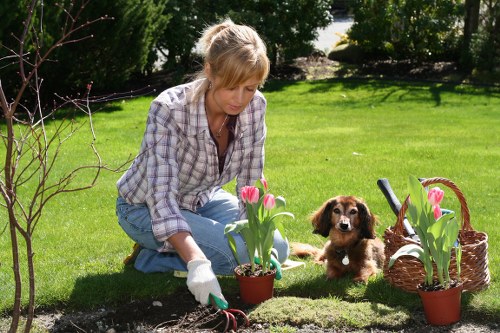
Every lawn is shaped by its surroundings, and lawn care in Poplar should always begin with an understanding of local conditions. Climate, rainfall, soil type, and sun exposure all play a role in how grass performs. Some gardens may receive plenty of light, while others may sit beneath trees or near buildings that create shaded areas. These differences affect how quickly lawns dry, how much mowing is needed, and which treatments will be most effective.
Soil quality is one of the biggest factors in lawn health. In many areas, soil can become compacted over time, especially in places where people walk frequently or vehicles are parked nearby. Compacted soil makes it harder for roots to access air, water, and nutrients. This can lead to patchy growth and weak grass. Effective lawn care in Poplar often includes aeration, topdressing, and careful feeding to improve the condition of the ground beneath the grass.
It is also important to consider seasonal weather patterns. During warmer periods, lawns may need more frequent mowing and watering. During cooler months, growth slows, and over-maintenance can actually cause stress. A smart Poplar lawn care routine changes through the year, matching treatments to the season instead of repeating the same tasks every week.
Core Services That Support Lawn Care in Poplar

Effective lawn care in Poplar usually includes a mix of services that work together to improve turf health. Each service has a purpose, and when combined properly, they create stronger, more attractive lawns. Rather than focusing on one visible result, the goal is long-term improvement from the roots upward.
Common lawn care services in Poplar include:
- Mowing to maintain a neat, even appearance and encourage healthy grass growth
- Edging to define borders and create a clean finish around paths, driveways, and flower beds
- Feeding with the right fertilizer to support colour, density, and root development
- Weed control to reduce competition and keep grass from being overtaken
- Aeration to relieve soil compaction and improve water movement
- Overseeding to fill thin areas and improve lawn thickness
- Scarification to remove thatch and help air and nutrients reach the soil
- Watering support to prevent drought stress and maintain even growth
When these services are applied correctly, your lawn has a better chance of staying healthy throughout the year. Many property owners in Poplar find that regular maintenance is easier and more cost-effective than trying to repair a neglected lawn later. This is one of the biggest advantages of consistent lawn care in Poplar.
Seasonal Lawn Care in Poplar: What to Do Throughout the Year

A lawn changes with the seasons, and your care routine should change too. Seasonal planning is one of the most reliable ways to keep a lawn in top condition. In Poplar, each season brings different needs, from spring recovery to summer stress management and autumn preparation.
Spring Lawn Care
Spring is the time when lawns wake up after winter. This is usually the best period for early feeding, weed prevention, and repairing damaged patches. If the grass has suffered from cold weather, moss, or foot traffic, spring is the right time to improve the lawn’s condition. Aeration and overseeding can be especially useful here. A spring lawn care in Poplar programme should focus on stimulating healthy growth without forcing the lawn too quickly.
Summer Lawn Care
Summer brings stronger sunlight, warmer temperatures, and a greater risk of dryness. Grass may need deeper but less frequent watering, depending on rainfall and soil type. Mowing should be done carefully, with blades kept sharp and the cutting height adjusted to avoid scalping the lawn. Short grass can dry out more quickly, so maintaining the right height helps protect the roots. Summer Poplar lawn care is all about preserving moisture and avoiding unnecessary stress.
Autumn Lawn Care
Autumn is one of the most important times for lawn maintenance. Cooler weather and seasonal rainfall create ideal conditions for recovery and strengthening. This is a good time for aeration, overseeding, and feeding with nutrients that support root development. Autumn lawn care in Poplar helps prepare the turf for winter and improves the chances of a lush return in spring.
Winter Lawn Care in Poplar and How to Protect Your Grass

Although grass growth slows in winter, the lawn still needs attention. Winter lawn care in Poplar focuses on protection rather than intensive treatment. Heavy foot traffic should be reduced as much as possible when the ground is wet or frosty, because this can damage the grass and compact the soil. If areas of the lawn become waterlogged, drainage issues may need to be addressed before the following growing season.
It is also wise to keep the lawn free from excessive leaf build-up. A thick layer of fallen leaves can block light and trap moisture, creating conditions that encourage disease or patchy growth. Light tidying during winter can help the lawn stay in better shape. While mowing is less frequent at this time, it should still be done if the grass continues to grow in mild weather.
Winter can also reveal areas that need attention in the spring. Bare patches, mossy sections, and uneven growth are easier to spot when the lawn is less active. By identifying these issues early, you can plan a stronger lawn care in Poplar strategy for the year ahead.
Mowing Practices That Improve Lawn Health
Mowing may seem simple, but it is one of the most important parts of lawn care in Poplar. The way a lawn is cut has a direct effect on its health, density, and resistance to stress. Cutting too short can weaken the grass, while mowing too infrequently can leave the lawn looking untidy and uneven.
The best mowing practice depends on the grass type, the season, and the condition of the lawn. In general, it is better to mow regularly and remove only a small amount of growth at each cut. This encourages stronger roots and a more even appearance. Sharp mower blades are essential because blunt blades tear the grass rather than cutting it cleanly. Torn grass tips can turn brown and make the lawn look unhealthy.
Helpful mowing tips for Poplar lawn care:
- Keep mower blades sharp for a clean cut
- Avoid cutting more than one-third of the grass height at once
- Raise the cutting height during dry or hot periods
- Change mowing direction occasionally to reduce soil compaction and ruts
- Remove grass clippings only when they are excessive or clumped
When done correctly, mowing supports a thicker and more attractive lawn. It is a basic task, but it has a major influence on lawn care in Poplar overall.
Feeding and Fertilising for Stronger Lawns
Feeding the lawn is one of the most effective ways to improve colour, density, and resilience. Grass needs nutrients to grow well, and over time, the soil can lose some of what it naturally contains. That is why fertilising plays such an important role in lawn care in Poplar. A balanced feeding programme helps the lawn recover from wear, develop deeper roots, and resist seasonal stress.
Not every lawn needs the same fertiliser at the same time. Some lawns benefit from high-nitrogen feeding for faster growth and a richer green colour, while others need more balanced nutrients for root support and long-term stability. The key is timing and moderation. Too much fertiliser can scorch the lawn or create weak, fast growth that needs constant mowing. Too little, on the other hand, may leave the grass pale and thin.
Signs your lawn may need feeding:
- Pale or dull colour
- Slow recovery after mowing
- Poor thickness
- Visible bare patches
- Weak growth during the active season
With the right feeding plan, Poplar lawn care becomes more effective and predictable. A well-fed lawn is usually more capable of resisting weeds, heat, and general wear.
Weed Control and Moss Management in Poplar Lawns
Weeds and moss are common problems in lawns that are weak, compacted, or poorly maintained. They compete with grass for space, water, and nutrients. Good lawn care in Poplar should always include a strategy for managing these issues before they spread too far. The earlier action is taken, the easier it is to maintain a healthy turf surface.
Weed control works best when paired with strong grass growth. Dense lawns naturally leave less room for weeds to establish. This is why mowing, feeding, aeration, and overseeding all support weed management. Depending on the situation, treatment may involve selective weed control or manual removal. In more challenging areas, a phased recovery plan may be needed to restore the lawn properly.
Moss often appears where grass is struggling due to shade, dampness, or poor drainage. While moss can be removed, it is also important to address the cause. If the soil is compacted or the lawn is too shaded, moss will likely return unless those underlying conditions are improved. That is why effective lawn care in Poplar focuses on both symptoms and causes.
Aeration, Scarification, and Overseeding for Lawn Recovery
Some lawns need more than routine mowing and feeding to return to good condition. If grass has become thin, patchy, or compacted, recovery treatments can make a major difference. Aeration, scarification, and overseeding are three of the most valuable techniques in lawn care in Poplar.
Aeration creates small holes in the soil to improve airflow, drainage, and root movement. This is especially helpful in areas with frequent foot traffic or heavy soil. Scarification removes excess thatch, which is a layer of dead organic matter that can stop water and nutrients from reaching the soil. Overseeding adds new grass seed to fill gaps and improve density.
These treatments often work best together. For example, scarifying first removes build-up, aerating improves soil conditions, and overseeding introduces fresh growth. Once the seed is in place, proper watering and feeding help the new grass establish successfully. Poplar lawn care becomes much more effective when these recovery methods are used at the right time of year.
Watering Strategies for Healthy Grass
Water is essential, but too much or too little can both cause problems. In lawn care in Poplar, watering should be planned carefully rather than done on impulse. Grass usually benefits more from deep, infrequent watering than from frequent light watering, because deeper watering encourages roots to grow further into the soil.
Watering is especially important during dry spells, after overseeding, and when newly repaired areas are trying to establish. However, overwatering can lead to shallow roots, moss growth, and fungal issues. The goal is to keep the soil moist enough to support growth without making it soggy. Drainage also matters, because standing water can quickly damage the lawn’s structure.
Good watering habits for Poplar lawn care:
- Water early in the day when possible
- Focus on deep soaking rather than frequent sprinkling
- Adjust watering based on rain and temperature
- Avoid watering heavily in shaded or poorly draining areas unless needed
- Monitor the lawn for signs of drought stress, such as dull colour or footprints that remain visible
By managing water carefully, you can support stronger growth and healthier roots. Watering is a simple part of lawn care in Poplar, but it has a major impact on overall results.
How to Improve Lawn Appearance Around Paths, Borders, and Flower Beds
A great-looking lawn is not only about the grass itself. The edges, borders, and transitions around the lawn also matter. Clean finishing helps the whole garden look cared for and balanced. In Poplar, where many properties mix lawn areas with paving, planting beds, and garden features, this visual detail can make a big difference.
Edging is one of the simplest ways to improve appearance. It creates a crisp line between the lawn and surrounding surfaces, making the garden feel more structured. Regular trimming around obstacles such as fences, trees, and sheds also helps the lawn appear more polished. A tidy edge gives the impression of professional lawn care in Poplar, even in smaller gardens.
It can also help to pay attention to transitions between turf and planting areas. Overhanging plants, fallen mulch, and encroaching weeds can make the lawn look untidy. Keeping these areas clear supports both the appearance and health of the grass. Well-finished edges are an easy but effective part of good lawn maintenance.
Choosing the Right Lawn Care Approach for Your Property
Not every property has the same lawn care needs. A front lawn that is mostly decorative will need a different approach from a family garden used for play or a business property that must look neat every day. That is why lawn care in Poplar should be based on the way the lawn is used, not just on how it looks from a distance.
For example, heavily used lawns may need more frequent maintenance, stronger recovery treatments, and better soil management. Shaded lawns may benefit from moss control, selective mowing, and careful aeration. Newly laid lawns need gentler watering and patient establishment, while older lawns may require repair work to deal with compacted soil or thinning grass. A flexible Poplar lawn care approach always delivers better results than a rigid routine.
Questions to ask before planning lawn care
- How much sun does the lawn receive?
- Is the soil compacted or free-draining?
- How often is the area used?
- Are weeds, moss, or bare patches a recurring issue?
- What season is the lawn currently in?
Once you understand these factors, it becomes much easier to choose the right treatments and schedule. That is one of the reasons professional lawn care in Poplar often produces more reliable outcomes.
Benefits of Regular Lawn Maintenance in Poplar
Consistent lawn maintenance offers both practical and visual benefits. A well-kept lawn is more pleasant to use, easier to manage, and less likely to suffer from long-term problems. When care is regular, small issues can be dealt with before they become expensive or difficult to fix.
Key benefits of regular lawn care in Poplar include:
- Better curb appeal and property presentation
- Thicker, healthier grass coverage
- Reduced weed and moss pressure
- Improved drought and wear resistance
- Stronger root systems and better soil condition
- More usable outdoor space for families, visitors, or customers
These benefits are not limited to large properties. Even small lawns can look dramatically better with the right routine. A few well-timed treatments each season can completely change how a garden feels and functions. For many property owners, lawn care in Poplar is a straightforward way to protect an investment while making the outdoor space more enjoyable.
When to Consider Professional Lawn Care in Poplar
Some lawn tasks can be handled independently, but there are times when professional help is the better option. If the lawn has persistent bare patches, poor drainage, heavy thatch, or recurring weed problems, a specialist can assess the underlying cause and recommend the right treatment. Professional lawn care in Poplar can also save time for busy households and businesses that need reliable results.
Professional support is especially useful when the lawn needs multiple treatments in sequence, such as aeration followed by overseeding and feeding. Timing matters with these tasks, and mistakes can reduce their effectiveness. By working with an experienced lawn care provider, property owners can avoid wasted effort and improve the chances of long-term success.
In many cases, the best results come from combining regular maintenance with occasional specialist treatments. That balanced approach keeps the lawn looking good while also supporting long-term health. If your lawn needs more than basic upkeep, book your service now and take the next step toward a stronger outdoor space.
Creating a Year-Round Lawn Plan That Works
A healthy lawn rarely happens by accident. It is usually the result of a steady plan that matches the needs of the grass across the year. A year-round lawn care in Poplar schedule should include mowing, feeding, weed control, and recovery treatments at the right times. It should also adapt to weather conditions, soil health, and how the lawn is used.
The best plans are realistic. They focus on what the lawn actually needs rather than trying to do everything at once. For example, a lawn with compacted soil may need aeration before heavy feeding. A thin lawn may need overseeding before it can fully benefit from other treatments. A shaded lawn may need a different mowing and watering schedule from a sunny one. This kind of thoughtful Poplar lawn care is what leads to strong, attractive results.
If you want a lawn that looks better, feels better underfoot, and stands up to changing conditions, consistency is key. Keep an eye on the lawn through every season, make small adjustments when needed, and do not wait until problems become obvious. Contact us today to discuss the right lawn care in Poplar approach for your property and keep your grass looking its best all year long.