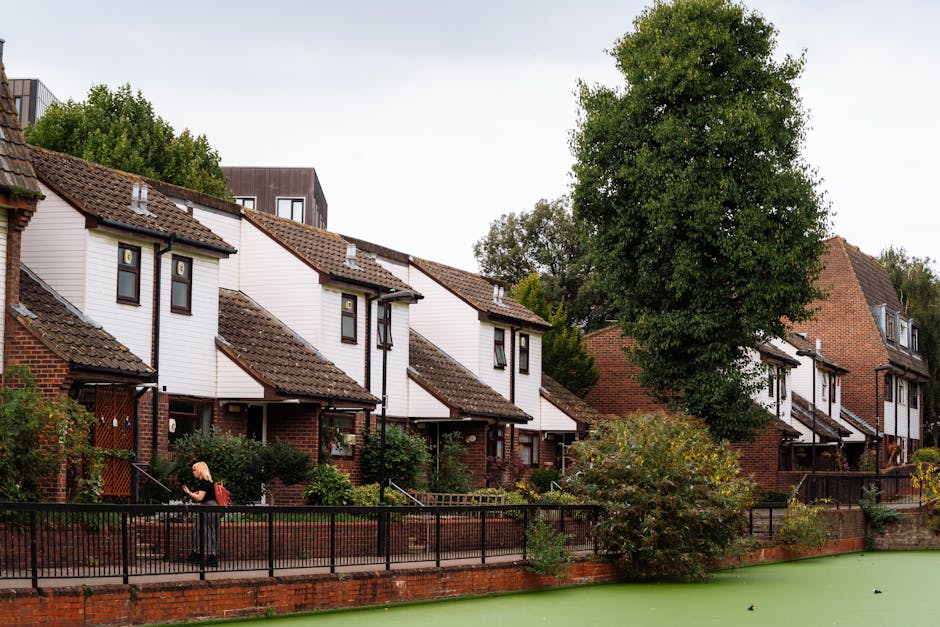
Gardeners for East India Dock Road homes in Poplar: a practical guide to better outdoor spaces
If you live on or near East India Dock Road, you already know the pattern: compact plots, exposed corners, a bit of road dust, and not always enough time to keep the garden looking how you want it to look. That is exactly where Gardeners for East India Dock Road homes in Poplar can make a real difference. Whether your space is a tiny courtyard, a small front garden, a shared rear patch, or a balcony edged with containers, the right gardening support can turn a tired outdoor area into something calmer, cleaner, and much easier to live with.
This guide walks through what local gardening help actually involves, how it works in practice, and what to expect if you are comparing options. You will also find a checklist, a comparison table, and a few realistic examples so you can make a sensible decision without the usual guesswork. Let's face it, most people do not need more garden theory. They need a garden that stops looking sorry for itself on a rainy Tuesday morning.
Table of Contents
- Why Gardeners for East India Dock Road homes in Poplar Matters
- How Gardeners for East India Dock Road homes in Poplar Works
- Key Benefits and Practical Advantages
- Who This Is For and When It Makes Sense
- Step-by-Step Guidance
- Expert Tips for Better Results
- Common Mistakes to Avoid
- Tools, Resources and Recommendations
- Law, Compliance, Standards, or Best Practice
- Options, Methods, or Comparison Table
- Case Study or Real-World Example
- Practical Checklist
- Conclusion
- Frequently Asked Questions
Why Gardeners for East India Dock Road homes in Poplar Matters
East India Dock Road is a busy stretch, and homes nearby often deal with conditions that are not especially kind to plants. There can be more wind than you expect, a fair bit of shade from surrounding buildings, and pots or borders that dry out faster than they should in summer. In winter, damp can linger. In spring, weeds seem to arrive as if they have got a direct invitation.
That is why local gardening support matters. A good gardener does more than mow grass and cut back a hedge. They look at the way your outdoor space really behaves through the seasons. Which corner gets afternoon sun? Where does water pool after heavy rain? What is surviving, and what is only surviving by looking miserable? Small observations like these shape better decisions.
For many Poplar homes, the challenge is not having a garden at all. It is having a garden that needs to do several jobs at once. It may need privacy from neighbouring windows, space for children, room for a dog, and enough visual calm to feel like a break from the road. A skilled local gardener can balance those competing needs without overcomplicating things.
If you are exploring broader support, the team's gardening services page is a useful place to understand the wider range of help available, from routine care to more involved improvements.
How Gardeners for East India Dock Road homes in Poplar Works
Most projects begin with a walk-through and a straightforward conversation. What do you want the space to feel like? What is not working? What can stay, and what should probably go? This first step matters more than people think, because the most expensive mistakes often begin with vague instructions.
After that, the work usually falls into one of a few patterns:
- One-off tidy-up for an overgrown, neglected, or pre-sale garden.
- Regular maintenance to keep lawns, beds, hedges, and paths under control.
- Targeted improvement such as weed management, soil improvement, planting, or hedge shaping.
- Problem-solving work for ivy, poor drainage, patchy growth, or awkward narrow layouts.
In a typical local setting, the gardener will prioritise the practical first. For example, if a front garden is full of weeds and the soil is tired, there is little point in rushing in with decorative planting. The better approach is to clear, assess, improve the soil, and then choose plants that will actually cope. That sounds obvious, but you would be surprised how often it gets skipped.
Many East India Dock Road homes also benefit from services that sit beside general gardening. If your space has a lawn that is thinning out, the lawn care service can help restore it with the right feeding, aeration, and ongoing attention. If paving is looking grubby after a long wet spell, patio cleaning can make the whole garden feel brighter in one go.
Key Benefits and Practical Advantages
The obvious benefit is visual. A neat garden simply feels better to come home to. But the practical gains are where the value really shows.
1. Less maintenance stress
When beds are edged properly, weeds are controlled, and plant choices suit the site, the whole garden becomes easier to manage. You spend less time firefighting and more time enjoying it. Nice change, that.
2. Better use of compact space
Homes near East India Dock Road often have tight outdoor footprints. A smart gardener can make a narrow side return feel wider, turn a shaded corner into a useful planting zone, or use containers to create structure without clutter.
3. Improved privacy
With the right hedge, climber, or layered planting plan, you can soften overlooking windows and give yourself a more peaceful backdrop. A well-chosen screen feels much better than a random collection of plants that never quite mature together.
4. Healthier soil and stronger growth
Many gardens look tired because the soil is compacted, stripped, or simply not feeding plants properly. Improving the ground beneath the surface often produces better results than replacing everything above it. The article on enriching soil naturally is helpful if you want to understand the basics of feeding a garden well.
5. Safer, cleaner access
Overgrown shrubs, slippery paving, broken edges, and ivy creeping where it should not can all create avoidable risk. Keeping access routes clear is a practical win, especially if you have children, visitors, or delivery access to consider.
6. More enjoyable outdoor living
A garden should not feel like a burden. It should invite you out with a coffee on a dry morning or give you a quiet place to sit in the evening. That little shift matters. It changes how the home feels.
Who This Is For and When It Makes Sense
This kind of local gardening support is a strong fit if you are one of the following:
- A homeowner who wants the garden kept tidy but has little time for upkeep.
- A landlord or property manager preparing a home for viewings or new tenants.
- A family that wants a safer, more usable outdoor area for children.
- A pet owner trying to balance durability, cleanliness, and planting.
- Someone with a small garden who wants it to feel calmer and more purposeful.
- A new homeowner who is still figuring out what the garden actually needs.
It also makes sense if you have inherited a garden that is technically fine but functionally poor. Maybe the hedge is too high, the lawn is patchy, or ivy has started to dominate. Maybe the layout is just awkward. You do not always need a redesign from scratch. Sometimes the garden only needs a series of smart corrections.
For first-time owners, the guide on tips for novice gardeners offers a good starting point. It is especially useful if you are unsure what to tackle first.
Step-by-Step Guidance
Here is the simplest way to approach a garden improvement project on East India Dock Road or nearby Poplar streets.
- Assess the space honestly. Look at light, shade, drainage, access, privacy, and existing planting. Not what you hope the garden is. What it actually is.
- Decide the main job. Is this a maintenance issue, a privacy issue, a usability issue, or a full refresh? The answer changes everything.
- Clear the obvious problems. Remove weeds, cut back overgrowth, trim hedges, and deal with damaged or diseased material before adding anything new.
- Improve the base. Healthy soil, proper edging, and good drainage are the behind-the-scenes bits that keep a garden working.
- Choose the right structure. In small London gardens, that may mean raised containers, climbers, compact shrubs, or simple lawn reduction.
- Plant for the site, not for the brochure. A plant that looks lovely in a sunny show garden may sulk in a windy corner. Plenty do.
- Set a maintenance rhythm. Decide what needs weekly, monthly, and seasonal attention so the garden does not slide back into chaos.
A neat way to think about it is this: fix the conditions first, then improve the look. If you reverse that order, the results often fade.
Depending on your garden's shape, a more specialist service may be sensible. For example, if the boundary needs sharpening up, fencing can help define the space and improve privacy. If overgrowth is getting out of hand in trees or large shrubs, tree surgery may be the safer route than simply hacking away with shears.
Expert Tips for Better Results
Here are the small things that often make the biggest difference.
- Work with the wind. East London can feel exposed, especially on higher floors and open plots. Use layered planting and sturdy supports, not flimsy stakes that wobble by Thursday.
- Keep borders simple. A few strong plants usually outperform a crowded mix of underfed specimens. Simplicity ages better.
- Use ground cover where appropriate. It reduces bare soil, suppresses weeds, and gives the garden a more finished look. A useful reference is these UK ground cover ideas.
- Think vertically. If floor space is tight, use walls, trellises, and climbers. There is a practical case for it, not just a design one. The guide on vertical gardening covers this well.
- Plan for winter before winter arrives. A few protective actions in autumn can save you a lot of frustration later. Not glamorous, but very sensible.
- Leave room for maintenance access. Beautiful planting that blocks every path quickly becomes annoying. Pretty, but annoying.
If privacy is one of your main goals, you may want to combine hedging, climbers, and selective screening. The article on fast-growing privacy hedges is a smart read before you decide on species or layout.
And one more thing: do not underestimate a seasonal refresh. A ten-minute tidy often changes the feel of the space more than a huge future project you keep postponing. Humans are funny like that.
Common Mistakes to Avoid
Local gardens fail for predictable reasons. The good news is that most of them are avoidable.
- Choosing plants for appearance alone. If the site is shady, windy, or dry, the plant must match those conditions.
- Ignoring weeds until they spread. Weed management is much easier early on. Once roots are deep, the job becomes slower and more stubborn.
- Overfeeding or overwatering. More is not always better. In fact, it can make plants weak or patchy.
- Cutting hedges at the wrong time or too hard. A tidy look matters, but some plants need careful timing and gradual shaping.
- Forgetting the soil. Healthy plants depend on healthy ground. Plain and simple.
- Using too many different features. In a small garden, clutter can creep in quickly. A deck, a shed, a dozen pots, a bench, a trampoline, and a bird bath can start a turf war rather fast.
If ivy is taking hold on walls, fences, or shaded corners, do not treat it as just another plant to trim. The situation can become structural if neglected. The detailed guide on ivy removal strategies is worth reading before the problem spreads.
Tools, Resources and Recommendations
Good gardening work does not need a shed full of fancy kit, but the basics matter. A competent gardener will usually rely on:
- sharp secateurs and loppers
- a sturdy spade and border fork
- hedge tools suited to the plant size
- gloves that actually fit and protect properly
- wheelbarrow or garden tubs for clearance
- weed control tools and safe disposal methods
- mulch, compost, or soil improvers where needed
That said, tools alone do not create good results. Judgement does. Knowing when to prune, where to feed, what to leave, and what to remove comes from experience.
For people building a more complete home-garden routine, the gardener's essential checklist is a practical companion. If you are trying to keep costs sensible and the garden low-fuss, simple stress-free garden ideas can help you avoid overdesigning things.
There is also value in thinking about comfort and layout. A garden is easier to maintain when seating, routes, planting, and storage all work together. If you are at the point where the space needs a fresh eye, taking the first steps in a garden makeover is a helpful next read.
Law, Compliance, Standards, or Best Practice
Garden work around homes is usually straightforward, but there are still sensible standards and responsibilities to respect.
Safety first. Pruning at height, using powered tools, handling heavy waste, and working near boundaries all carry some risk. Good practice means proper equipment, clear working methods, and a sensible approach to access. If a job feels awkward or unsafe, it should be treated that way rather than rushed.
Neighbour consideration matters. Hedges, branches, and climbing plants can cross boundaries. Before major trimming or clearance, it is wise to think about neighbouring properties, shared access, and any informal arrangements. That avoids awkward chats later.
Waste should be managed properly. Green waste needs to be collected, sorted, and disposed of in a way that keeps the site tidy. A good finish is part of the job, not an extra.
Insurance and policies build trust. When you hire local help, it is reasonable to ask about safety procedures, payment security, terms, and complaint handling. These are not small details. They show whether the business is run properly. You can review supporting pages such as insurance and safety, health and safety policy, payment and security, and terms and conditions when you want the full picture.
There is also a practical service-side standard worth keeping in mind: a reliable gardener should explain what is included, what is not included, and how the work will be carried out. That sounds basic, but it saves trouble.
Options, Methods, or Comparison Table
Not every garden needs the same type of help. Here is a simple comparison to make the decision easier.
| Option | Best for | Typical focus | Good choice if... |
|---|---|---|---|
| Regular garden maintenance | Busy households, landlords, and neat front gardens | Weeding, trimming, lawn care, tidy edges | You want the garden kept under control all year |
| One-off clearance | Overgrown or neglected spaces | Cutback, clearance, waste removal | You need the space reset before improving it |
| Targeted problem solving | Ivy issues, patchy lawns, poor privacy, awkward corners | Specific fixes and restoration work | There is one main issue causing most of the mess |
| Broader landscaping | Redesigns and more ambitious garden changes | Layout, structure, surfacing, planting plans | The garden no longer suits the way you live |
If you are uncertain, maintenance plus a few targeted fixes is often the safest starting point. You can always scale up once you have seen how the space responds.
Case Study or Real-World Example
Imagine a small terrace-style garden close to East India Dock Road. The space has a narrow lawn, a tired fence line, a couple of large pots, and a hedge that has grown too dense for comfort. It is not a disaster. It is just a bit tired and not very usable.
The first visit focuses on removal of weeds, hedge shaping, and clearing away dead growth. The second stage improves the soil in the border and reduces the lawn area slightly so the garden becomes easier to manage. Then a few structure plants are added, along with a climber for privacy and some tougher ground cover near the edge. A simple seating area is kept clear rather than burying the garden under features.
After that, maintenance becomes lighter. The owners are not suddenly gardening experts. They just have a space that behaves better. That is usually the real goal anyway.
If they wanted to carry the project further, adding seating ideas from inspired seating solutions or choosing shrubs and climbers from evergreen climbers for shady areas could improve the atmosphere without making the garden feel crowded.
Practical Checklist
Use this before booking or starting any garden work in Poplar.
- Walk the garden and note the worst areas first.
- Check where sun, shade, and wind hit during the day.
- Decide whether you need maintenance, clearance, or a redesign.
- Look for weeds, ivy, dead wood, and signs of poor drainage.
- Measure key spaces if you are thinking about planting or screening.
- Think about privacy, access, and safety for children or pets.
- Make sure the plan allows enough room for future upkeep.
- Ask about waste removal, timing, and what will be included.
- Review service information and support pages before you commit.
- Have a rough budget in mind, even if it is flexible.
Quick expert summary: the best results usually come from fixing the structure of a garden first, then choosing planting that suits the site. In busy London settings, that approach saves time, reduces repeat work, and gives you a space that feels better for longer. Simple, really.
Conclusion
Finding the right gardeners for East India Dock Road homes in Poplar is really about matching the work to the reality of the space. Small plots, urban conditions, privacy pressures, and limited time all call for a practical, local approach. Not every garden needs a dramatic transformation. Many just need thoughtful maintenance, better planting choices, and a clear plan that fits how people actually live.
When the basics are handled well, even a modest garden can feel more settled, more useful, and more personal. And that is the nice part: you do not need a perfect garden to enjoy a good one. You just need one that works for your home.
If you are ready to improve your outdoor space, start with a clear conversation, a realistic scope, and a team that understands local gardens in Poplar. Speak to the team today and take the first step toward a garden that feels easier to live with.
Get a free quote today and see how much you can save.
Frequently Asked Questions
What do gardeners for East India Dock Road homes in Poplar usually help with?
They typically help with regular maintenance, hedge trimming, lawn care, clearance work, planting, weed control, and small-scale garden improvements. If the garden is awkward or overgrown, they can help bring it back under control first.
Do I need regular maintenance or just a one-off visit?
If the garden keeps slipping back into mess, regular maintenance usually saves time and stress. If the space has just got away from you once, a one-off clearance may be enough to reset it.
How do I know if my garden needs professional help?
If weeds are spreading, hedges are hard to manage, the lawn is patchy, or the garden is not being used because it feels awkward, that is a strong sign. Sometimes the clue is simple: you keep avoiding it.
Can a gardener make a small garden feel bigger?
Yes. Smart planting, better layout, vertical features, and clearer paths can make a small space feel calmer and more open. The trick is avoiding clutter and overplanting.
Is hedge trimming enough to improve privacy?
Sometimes, but not always. In some gardens, hedge trimming is only part of the answer. Layered screening, climbers, or additional boundary planting may work better depending on the space.
What should I ask before booking a gardener?
Ask what is included, whether waste will be removed, how long the work is likely to take, what the pricing covers, and whether the team has proper safety and insurance arrangements.
Can gardeners help with ivy that is damaging walls or fences?
Yes, although ivy needs careful removal rather than a rushed cutback. If it has spread widely, it is best handled as a specific problem rather than a routine tidy-up.
Are lawn treatments worth it in a small Poplar garden?
If the lawn is part of the main view or useable space, then yes, they can be. Aeration, feeding, and better mowing habits can improve a tired lawn surprisingly well. If the lawn is tiny and difficult, replacing some of it may be more practical.
How often should garden maintenance happen?
It depends on the garden, but many homes benefit from a monthly or fortnightly rhythm in the growing season. Some smaller gardens need lighter but more frequent attention to stay tidy.
What is the best first step if my garden feels overwhelming?
Start with a clear assessment: what is overgrown, what is damaged, what must be kept, and what is actually useful. Then tackle the worst problems first. It is a bit like sorting a cupboard; once the obvious clutter goes, the whole job feels less heavy.
Do I need landscaping or just gardening services?
If the space mainly needs tidying, planting, or ongoing upkeep, gardening services may be enough. If the layout, surfaces, boundaries, or structure need changing, landscaping is probably the better fit.
Where can I learn more about service details and support?
You can review the pages on pricing and quotes, garden maintenance, and about the company to get a clearer sense of how the service is set up.